Pharmaceutical Manufacturing Mixing Trends to Watch
A blend can pass a development trial and still fail on the production floor. Scale, flow behavior, charging sequence, electrostatic effects, and cleaning requirements can all change how an active ingredient distributes through a batch. That is why pharmaceutical manufacturing mixing trends are moving beyond simple throughput targets toward controlled, repeatable, and fully supportable processing decisions.
For plant managers and process engineers, the central question is not which mixer is newest. It is whether the selected system can deliver a homogeneous blend, protect operators and product, fit the validation strategy, and maintain performance through years of operation. The strongest trends reflect that practical reality.
Pharmaceutical Manufacturing Mixing Trends Driving Equipment Decisions
Greater focus on blend uniformity at production scale
Pharmaceutical manufacturers have long treated blend uniformity as a critical quality requirement, but the equipment conversation is becoming more specific. Teams are looking closely at particle size distribution, bulk density differences, ingredient concentration, moisture sensitivity, and the risk of segregation during discharge and downstream transfer.
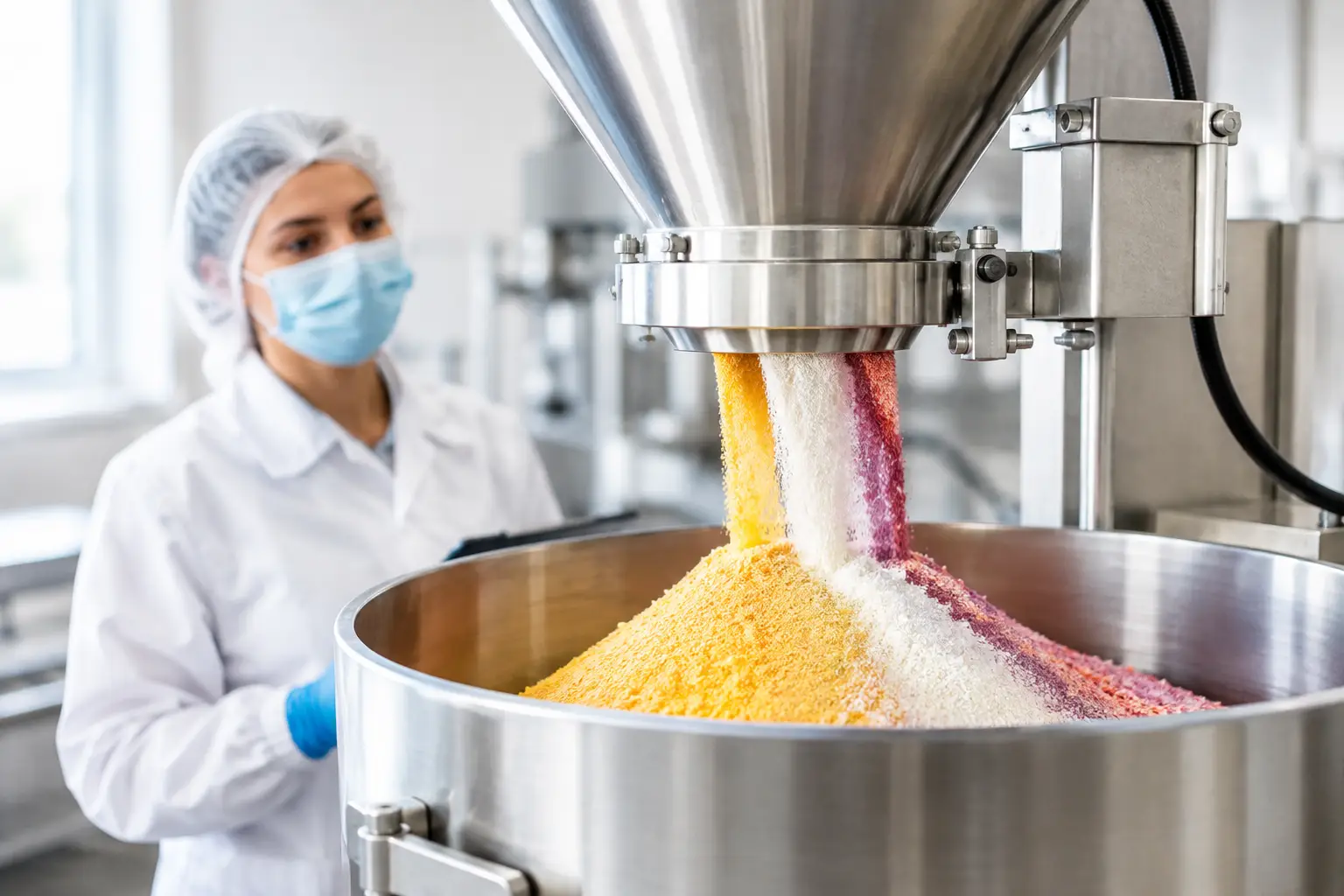
A mixer that produces acceptable results in a small batch is not automatically the right choice for a larger commercial batch. Fill level, mixer geometry, agitator speed, and mixing time all influence how material moves through the vessel. For dry powders and granules, horizontal ribbon mixers remain a practical option when the application requires broad material circulation, efficient turnover, and repeatable batch processing.
The trend is toward defining the mixing objective before selecting the equipment. Some formulations need gentle incorporation of low-dose ingredients. Others require more intensive movement to break soft agglomerates or distribute liquid additions. A well-matched ribbon design, vessel configuration, and operating range help production teams control those variables rather than compensate for them with longer cycle times.
Containment is becoming part of the mixer specification
Potent compounds, sensitizing materials, and fine powders place containment at the center of equipment design. This is not limited to the mixer body. It includes charging connections, gasket selection, shaft sealing, discharge valve design, sampling approach, and how the vessel interfaces with upstream and downstream equipment.
Containment requirements can introduce trade-offs. More controlled transfer systems and enclosed charging methods may add capital cost or extend setup procedures. However, they can reduce operator exposure, protect neighboring processes, limit product loss, and simplify the path to a safer operating environment. For many facilities, those operational gains outweigh the initial investment.
Mixer suppliers are increasingly expected to support a complete process conversation. The right solution considers dust control and pressure management alongside blend quality. It also accounts for how operators access the equipment without creating unnecessary exposure points or difficult-to-clean areas.
Cleanability and changeover time matter more than ever
Pharmaceutical plants are often expected to run a growing range of products with the same core production assets. That makes cleanability a production capacity issue, not merely a sanitation requirement. Long cleaning cycles reduce available operating time, while difficult-to-access surfaces increase the risk of incomplete cleaning or inconsistent procedures.
This is driving demand for mixer designs with accessible interiors, smooth product-contact surfaces, sanitary welds, effective discharge geometry, and components selected for the cleaning method in use. Depending on the formulation and facility protocol, that may mean dry cleaning, manual washdown, clean-in-place capability, or a combination of approaches.
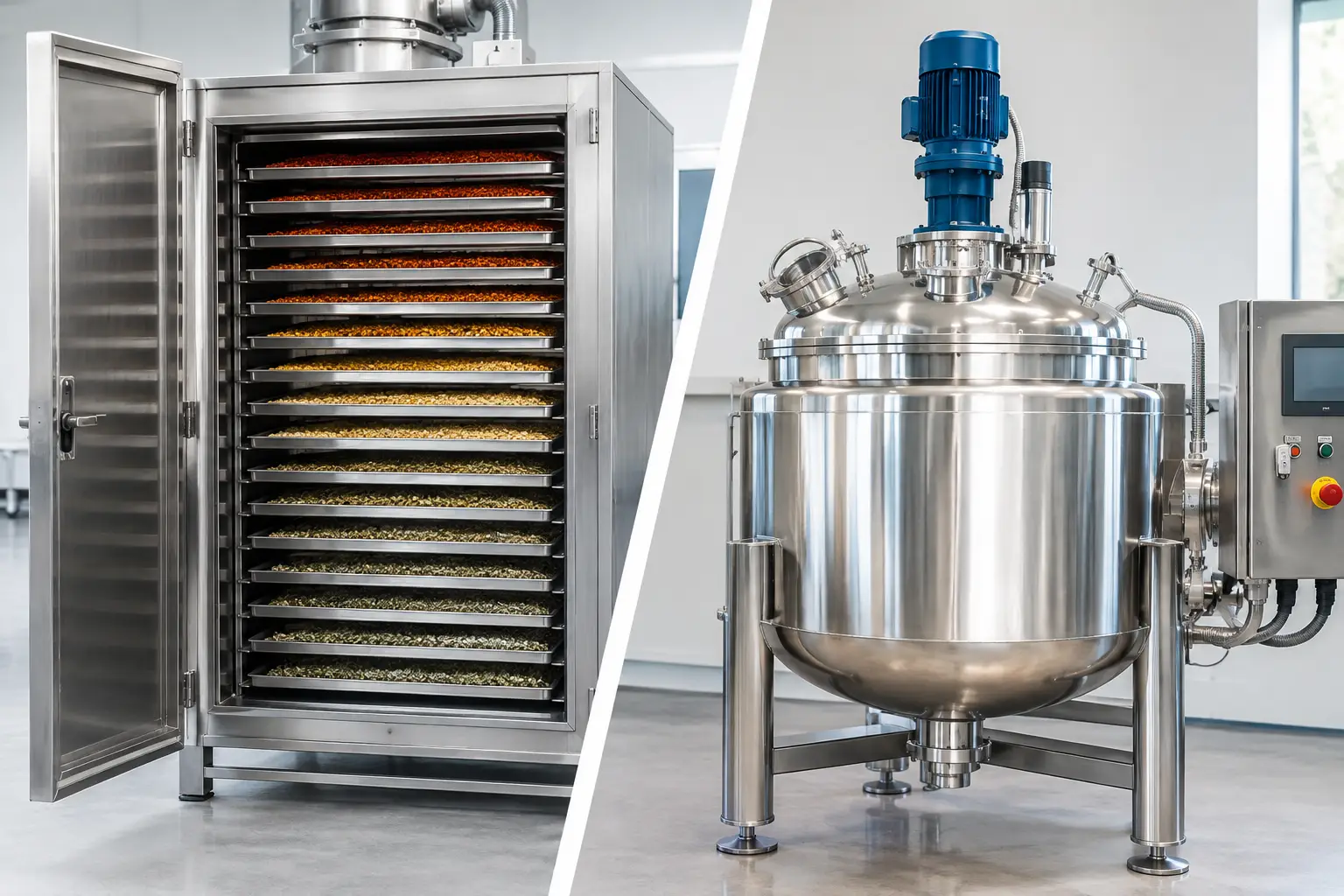
There is no universal cleaning design. A water-soluble product may support one approach, while a sticky, hydrophobic, or highly potent formulation may require another. Vacuum ribbon mixers and dryers can be especially valuable where a process benefits from combining mixing with vacuum drying in an enclosed vessel, reducing transfers between separate pieces of equipment.
Flexible batch processing is replacing one-size-fits-all systems
Product portfolios change. Batch sizes change. Contract manufacturing relationships change. As a result, pharmaceutical manufacturers are placing higher value on equipment that can adapt without sacrificing process control.
Configurability is becoming a meaningful differentiator in mixing systems. Useful options may include different ribbon arrangements, variable-speed drives, liquid injection ports, heating or cooling jackets, vacuum capability, sanitary valves, and tailored vessel dimensions. These features should not be treated as a checklist. Each one should solve a defined material-handling, quality, or operational need.
For example, a variable-speed drive can help establish an appropriate operating window for products with different flow characteristics. It does not eliminate the need to validate each recipe. Likewise, a larger working volume may improve scheduling flexibility, but it can create poor mixing conditions if the process runs consistently below the mixer’s intended fill range. Effective flexibility starts with realistic production requirements.
Integrated processing is reducing handling steps
Every transfer between vessels can add time, cleaning work, material loss, dust exposure, and potential segregation. This has made integrated processing a major consideration in pharmaceutical mixing projects.
Vacuum mixing and drying systems illustrate the direction of travel. When suitable for the material and process, one enclosed unit can support blending, solvent removal, drying, and final conditioning. That can reduce the equipment footprint and limit manual handling. It can also improve control over sensitive materials that need a protected processing environment.
Integrated equipment is not automatically the best answer. Facilities must evaluate cleaning validation, maintenance access, batch scheduling, and the consequences of losing a multifunctional asset to planned service. Still, where transfers are a clear source of risk or inefficiency, combining operations can produce measurable process benefits.
Data Is Becoming More Useful on the Mixing Floor
Digital tools are affecting pharmaceutical mixing, but the value is not in collecting more data for its own sake. The goal is better visibility into repeatability, asset health, and deviations that require attention.
Monitoring motor load, agitator speed, batch duration, vessel temperature, vacuum level, and other relevant conditions can help establish a clearer operating record. When aligned with validated process parameters and site data practices, this information supports troubleshooting and more disciplined continuous improvement.
Predictive maintenance is also gaining traction. Changes in drive load, vibration, seal performance, or bearing condition may indicate an emerging mechanical issue before it becomes an unplanned shutdown. For operations teams managing demanding production schedules, avoiding a surprise failure can be as valuable as improving nominal mixing time.
The practical standard is straightforward: collect data that helps people make decisions. A reliable mixer with maintainable components and clear service access remains the foundation. Digital monitoring should strengthen that foundation, not distract from it.
Sustainability Is Being Measured in Operating Results
Sustainability in pharmaceutical manufacturing is increasingly tied to energy consumption, waste reduction, solvent recovery, water use, and equipment lifecycle. Mixing equipment influences several of these factors, particularly when a plant runs frequent batches or handles valuable materials.
Efficient agitation design can reduce unnecessary energy use while still achieving the required material movement. Well-designed discharge systems can minimize retained product. Durable construction and serviceable wear components can extend useful equipment life and reduce the disruption associated with frequent replacement.
The right metric depends on the application. A low-energy mixer that requires excessively long cycle times may not improve overall resource use. Conversely, a system with a higher initial specification may reduce cleaning, transfer, and handling demands across the full process. Plant leaders should evaluate lifecycle performance instead of purchasing on acquisition price alone.
What These Trends Mean for Mixer Selection
The equipment selection process is becoming more application-specific because the consequences of a poor fit are significant. Inconsistent blends can threaten product quality. Poor discharge can waste expensive ingredients. Hard-to-clean equipment can delay release schedules. Inadequate containment can create safety and compliance concerns.
A productive specification process starts with the material. Process teams should define powder flow behavior, bulk density, particle size, moisture level, ingredient ratios, batch range, required cycle time, and any liquid additions. They should also identify the required finish, cleanability standard, containment expectations, and discharge method before finalizing a mixer configuration.
PerMix Ribbon Mixers supports this approach with configurable horizontal, vertical, and vacuum ribbon mixing solutions designed around the application rather than a generic equipment template. The objective is superior mixing performance that also supports practical maintenance, efficient operation, and long-term production reliability.
For pharmaceutical operations, the most valuable mixing trend is not a single machine feature. It is a more disciplined way of matching equipment design to formulation behavior, compliance obligations, and the realities of daily production. A conversation with a qualified mixing expert before equipment is specified can prevent years of avoidable process compromises.