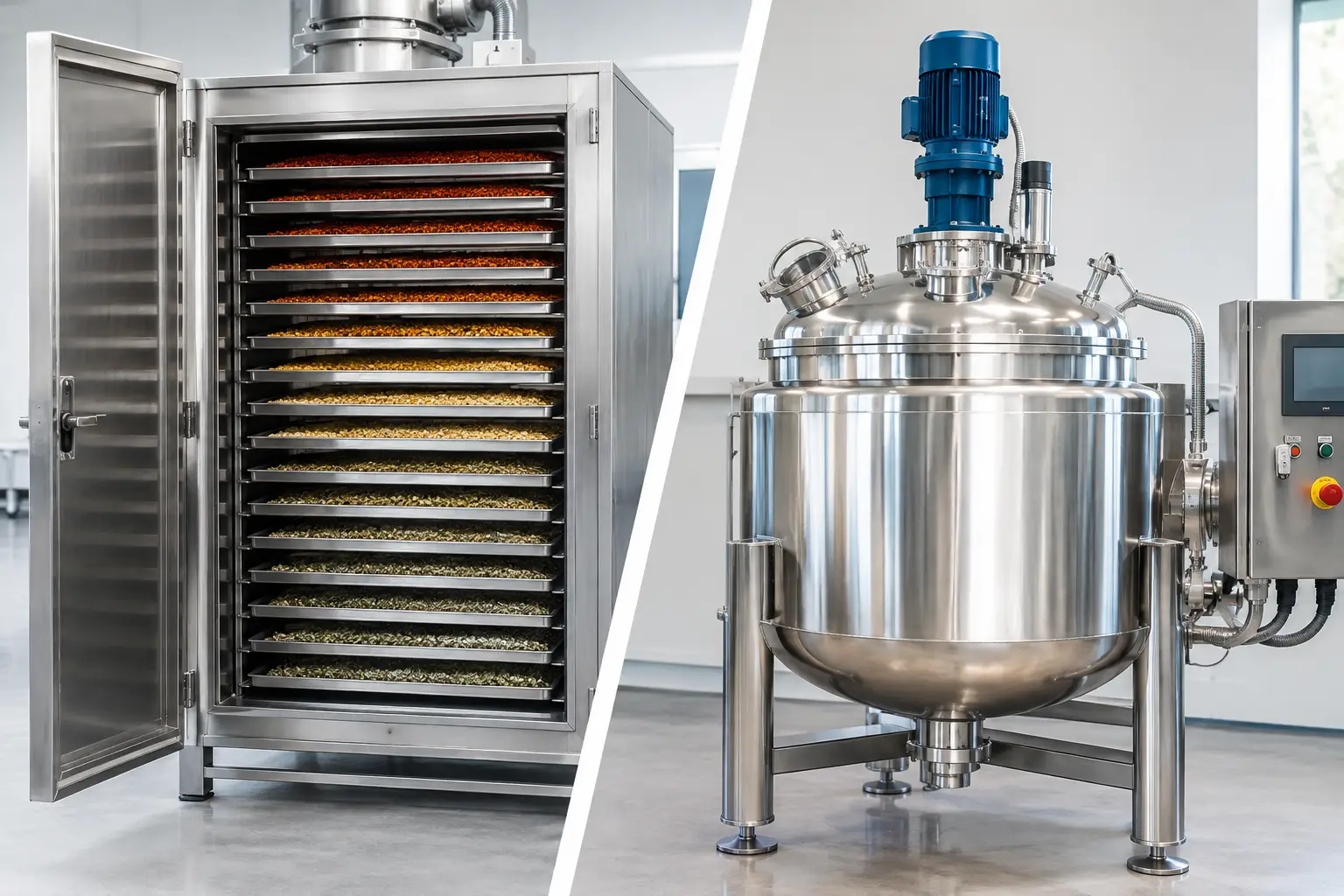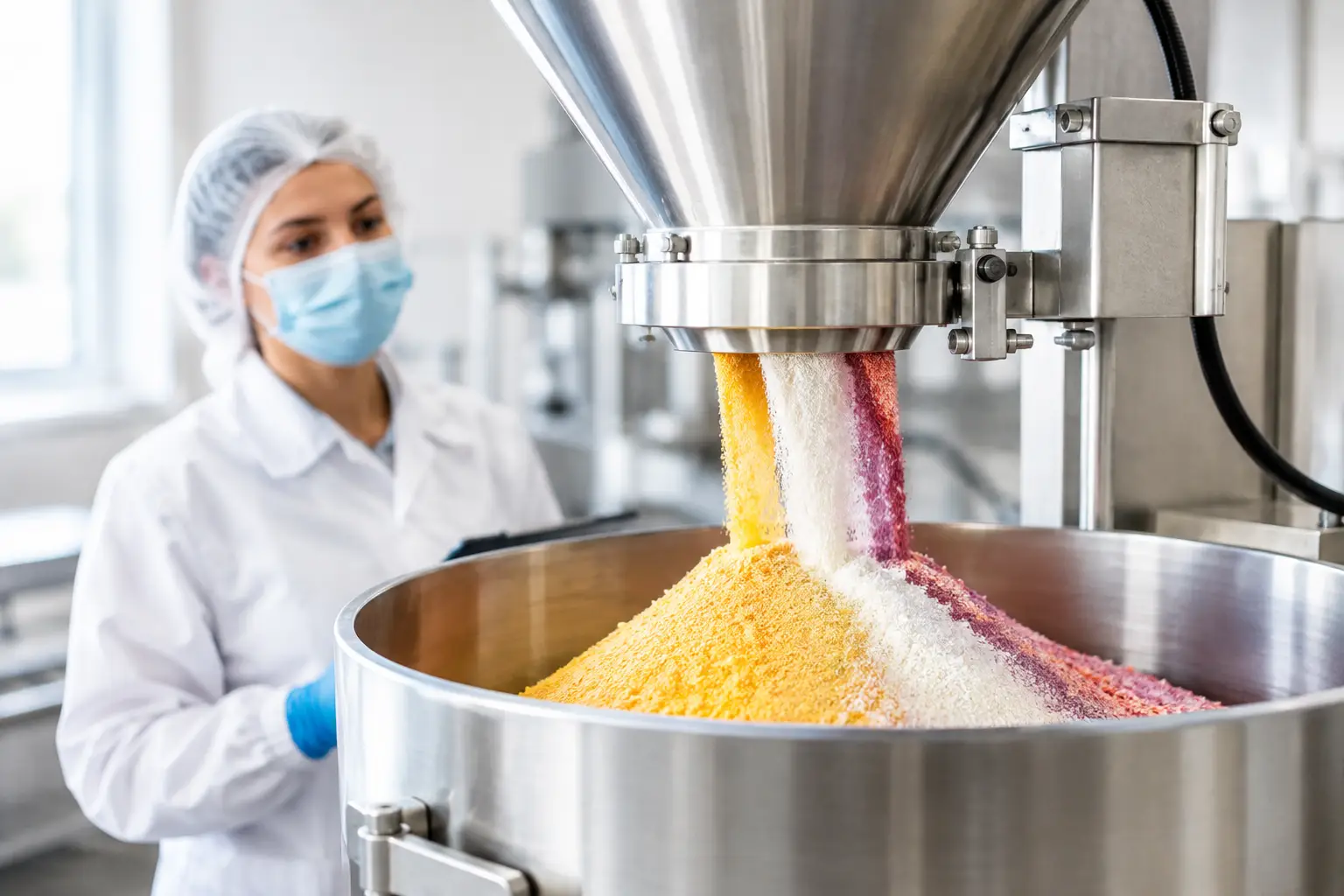
Top Sanitary Mixing Equipment for Clean Batches
A sanitary mixer is not defined by a polished stainless-steel exterior. It is defined by what happens inside the process zone: whether product can be blended uniformly, discharged completely, inspected easily, and cleaned without leaving residue in shafts, seals, corners, or discharge valves. Selecting top sanitary mixing equipment therefore requires more than comparing motor horsepower or batch capacity. It requires matching the mixer geometry, surface finish, access design, and cleaning method to the product and the validation expectations of the facility.
For pharmaceutical, food, nutraceutical, cosmetic, and specialty chemical processors, the right equipment protects both product quality and production uptime. The wrong design can create cleaning bottlenecks, cross-contamination concerns, costly changeovers, and inconsistent batches that are difficult to troubleshoot.
What Makes Sanitary Mixing Equipment Different?
Sanitary mixing equipment is engineered to reduce areas where material can collect and to make every product-contact surface accessible for cleaning and inspection. The design objective is straightforward: achieve consistent mixing performance while minimizing the risk of retained product, microbial growth, allergen carryover, or contamination between formulations.
Material selection is the starting point. Stainless-steel product-contact surfaces are common because they provide corrosion resistance and a cleanable finish. But material grade alone is not enough. Weld quality, internal surface condition, shaft sealing, gasket selection, and the configuration of the discharge assembly can have a larger effect on sanitation in daily operation.
A practical sanitary design should also account for the actual cleaning approach. Some operations rely on manual dry cleaning between compatible powder batches. Others require wet washdown, clean-in-place systems, or validated cleaning procedures after every run. Equipment should be specified around that reality, not around a generic claim that it is “easy to clean.”
Top Sanitary Mixing Equipment by Application
There is no single best mixer for every sanitary process. Dry powders, free-flowing granules, cohesive materials, and viscous pastes behave differently under agitation. The best equipment is the design that delivers the required blend quality without introducing unnecessary cleaning complexity or product damage.
Horizontal Ribbon Mixers for Powders and Granules
Horizontal ribbon mixers are a strong choice for many sanitary batch applications involving powders, dry blends, premixes, spices, nutritional ingredients, chemical additives, and granulated products. Their counter-flow mixing action moves material in opposite directions within the trough, supporting fast and repeatable blending across large batch volumes.
For sanitary service, the mixer should be configured with a smooth internal trough, carefully finished product-contact surfaces, cleanable end plates, and a discharge valve designed to minimize material retention. Full-length or wide-access covers can make inspection and manual cleaning more efficient, particularly for plants with frequent formulation changes.
Ribbon mixers are especially effective when processors need a versatile platform for dry solids and limited liquid addition. Spray bars or injection points can be incorporated for oils, flavors, binders, or other minor liquid ingredients. However, liquid addition must be engineered around the product’s absorption characteristics. Adding too much liquid too quickly can create wet agglomerates and reduce blend uniformity.
Vertical Ribbon Mixers for Space-Conscious Operations
Vertical ribbon mixers can be advantageous where floor space is limited or where the process benefits from a compact footprint. Their vertical configuration can promote circulation from the bottom of the vessel to the top, making them suitable for certain powders, granules, and specialty blends.
In sanitary applications, vertical designs deserve close attention at the vessel bottom, discharge area, and drive assembly. These points must support thorough cleaning and reliable product evacuation. A compact mixer is valuable only if operators can access the surfaces that matter during sanitation and inspection.
Vertical mixers may also be well suited to facilities producing smaller batches or handling multiple product families. The best configuration depends on batch size, bulk density, ingredient fragility, cleaning frequency, and whether the facility needs to process sticky or moisture-sensitive materials.
Vacuum Ribbon Mixers and Dryers for Sensitive Products
When a process requires blending under vacuum, moisture removal, deaeration, or controlled thermal treatment, a vacuum ribbon mixer and dryer can combine several production steps in one enclosed vessel. This is particularly useful for heat-sensitive powders, wet granulations, pastes, specialty chemicals, and pharmaceutical intermediates.
The sanitary advantage is not simply that the vessel is enclosed. It is that handling steps can be reduced. Fewer transfers between mixing, drying, and discharge equipment can lower exposure risk, reduce product loss, and simplify containment strategies. For higher-value materials, those benefits can have a direct impact on operating cost.
These systems require more detailed engineering than a standard dry blender. Vacuum integrity, heating or cooling jacket design, condensate handling, seal selection, and cleaning access all need to align with the product and process requirements. The additional capability is valuable when it replaces separate equipment or improves control, but it is unnecessary for a straightforward dry blend.
Sanitary Design Details That Affect Daily Performance
The difference between an acceptable mixer and a dependable sanitary production asset is often found in the details. Buyers should look beyond the vessel shape and ask how the complete system will operate after months of production.
Product-contact surfaces should be smooth and consistently finished to reduce adherence and simplify cleaning. Internal welds should be properly completed and treated to avoid crevices that can trap fine powder or sticky material. Hinges, covers, ports, and sight glasses should be positioned so they support inspection rather than creating hard-to-reach areas.
Shaft seals deserve special attention. They are among the most critical areas in any sanitary mixer because they sit at the intersection of product containment, rotating equipment, and cleaning requirements. Seal design should be selected according to the material, operating conditions, pressure or vacuum requirements, and washdown procedures. A seal that performs well with dry flour may not be appropriate for abrasive mineral powders, oily food blends, or vacuum processing.
Discharge design matters just as much. A mixer can produce an excellent blend but still waste product or complicate sanitation if the discharge valve holds material in dead zones. The preferred configuration depends on whether the material is free-flowing, cohesive, sticky, or prone to bridging. Full or near-full discharge is particularly important in regulated production, where retained product can affect batch yield and changeover confidence.
Match the Cleaning Method to the Product Risk
Sanitation is a process, not a checkbox. A mixer intended for dry, non-allergenic powders may be cleaned and verified differently than equipment used for dairy ingredients, infant nutrition, active pharmaceutical ingredients, or cosmetics with strong colors and fragrances.
Dry cleaning can be efficient for compatible products when the material is easily removed and the risk of carryover is low. It also avoids introducing moisture into systems processing hygroscopic materials. Yet dry cleaning may not be sufficient when products contain allergens, potent ingredients, oils, microbiological risks, or highly visible pigments.
Wet cleaning or clean-in-place capability can improve consistency in the right operation, but it adds requirements for drainage, spray coverage, drying, and verification. Poorly designed wet-cleaning systems can leave moisture behind, creating a different sanitation concern. The best approach depends on the product hazard, cleaning validation protocol, production schedule, and available utilities.
Choosing Equipment Based on Process Data
A sanitary mixer should be selected from process information, not a product name alone. “Protein powder,” “seasoning,” or “chemical premix” can describe materials with very different flow behavior and cleaning demands.
Before specifying equipment, define the batch size range, bulk density, particle-size distribution, moisture level, cohesiveness, and any tendency toward segregation. Also identify the target mixing time, allowable temperature rise, liquid addition percentage, required discharge speed, and the frequency of product changeovers.
For regulated facilities, document the required surface finish, materials of construction, certification package, inspection access, and cleaning expectations early. Retrofitting sanitary features after fabrication is more difficult and more expensive than incorporating them into the original design.
A qualified supplier should also discuss testing. Pilot trials or material evaluations can reveal whether a product needs standard ribbons, modified agitator geometry, intensifier options, vacuum capability, or a different mixer category entirely. This is where application-specific engineering protects the project from being overbuilt or underperforming.
The Business Case for the Right Sanitary Mixer
The best sanitary mixer is rarely the lowest initial-cost machine. It is the equipment that consistently produces acceptable batches while controlling labor, cleaning time, energy use, maintenance exposure, and lost product. A design that reduces changeover time by even a small amount can produce meaningful annual capacity gains in a busy plant.
Durability matters as well. Industrial processors need equipment that maintains alignment, sealing performance, and mixing consistency through repeated cycles. Configurable ribbon mixing systems can provide a practical balance of mixing performance, cleanability, and operating economy when they are engineered around the actual material and sanitation standard. PerMix works with processors to align mixer configuration with those application-specific requirements.
The next productive step is to bring real process data to the equipment discussion. A clear view of the material, cleaning protocol, batch schedule, and quality targets will lead to a sanitary mixing solution that performs reliably long after installation.