Batch Mixing Process Optimization That Pays
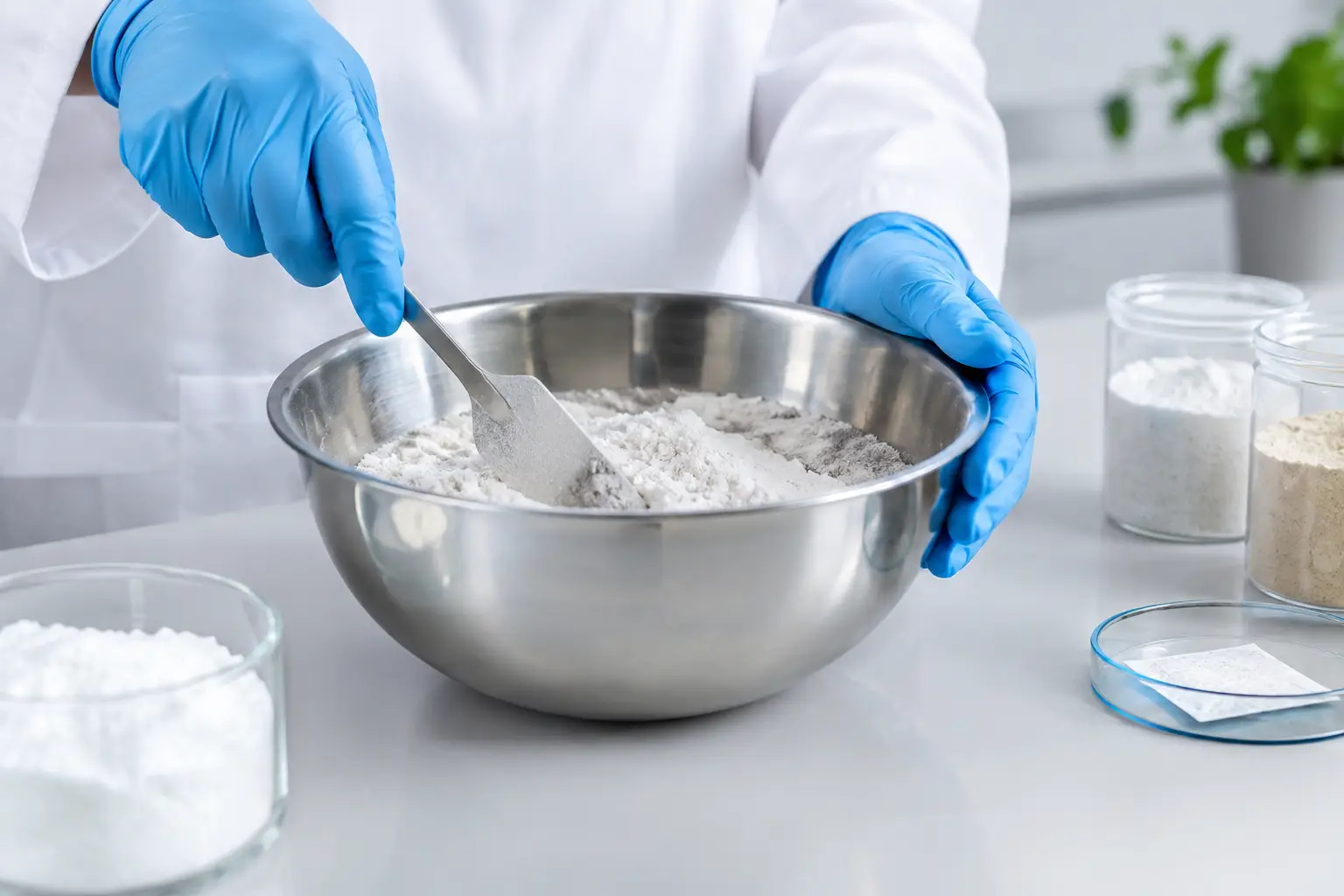
A batch that misses uniformity by a small margin can create a much larger problem on the plant floor. Rework, rejected lots, ingredient loss, line delays, and cleaning labor all add cost quickly. That is why batch mixing process optimization matters so much in powder, granule, and paste production. The goal is not simply to mix faster. It is to produce a repeatable, homogeneous result with less waste, less downtime, and tighter process control.
For most manufacturers, poor mixing performance is rarely caused by one issue alone. It usually comes from a mismatch between material behavior, mixer design, batch size, fill level, and operating method. If a process team focuses only on RPM or cycle time, it can improve one metric while making another worse. Better optimization starts with the full process – what enters the mixer, how it moves during the cycle, and what happens at discharge.
What batch mixing process optimization really means
In practical terms, batch mixing process optimization is the effort to improve consistency, throughput, and operating efficiency without compromising product quality. That can involve reducing blend time, controlling segregation, improving cleanout, lowering power consumption, or increasing batch-to-batch repeatability. In regulated sectors, it also means supporting documentation, validation, and predictable process performance.
The right target depends on the application. A pharmaceutical processor may prioritize content uniformity and validation. A food producer may focus on sanitation and changeover time. A chemical manufacturer may need aggressive incorporation of minor ingredients without heat buildup. The common thread is that optimization has to be specific to the product and the production environment.
The biggest factors affecting batch mixing performance
Material characteristics drive the process
Flowability, bulk density, particle size distribution, moisture content, and ingredient ratio all influence mixing behavior. Free-flowing powders may blend quickly but segregate during discharge. Cohesive materials may resist movement and require a different agitator geometry or more controlled liquid addition. Fragile granules can break down under excessive shear, changing the finished product.
This is why a mixer that performs well in one application can underperform in another, even when batch size appears similar. Optimization starts by understanding the material, not by assuming one machine setting fits every formulation.
Mixer configuration matters more than many plants expect
Ribbon mixers are widely used because they offer efficient convective mixing, broad application flexibility, and reliable batch performance across many dry and semi-wet products. But results depend heavily on the details. Ribbon geometry, trough design, drive sizing, discharge valve selection, internal finish, and optional features such as choppers, spray bars, vacuum capability, or heating and cooling all affect outcomes.
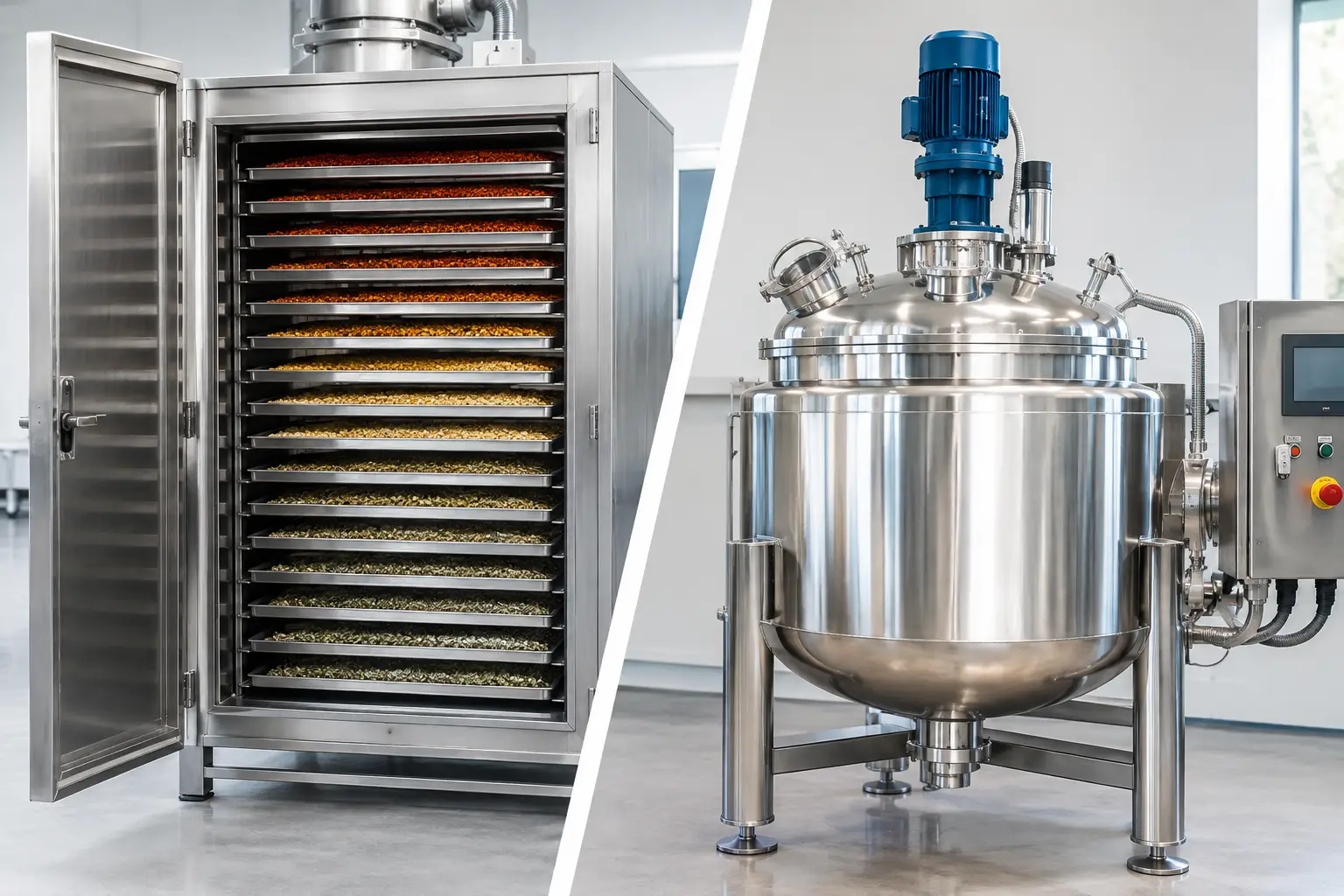
A horizontal ribbon mixer often provides strong performance for high-volume batch blending where consistent circulation and efficient discharge are priorities. A vertical ribbon mixer may be a better fit when floor space, gentle handling, or certain product flow characteristics are key concerns. In applications involving drying, solvent removal, or temperature-sensitive processing, a vacuum ribbon mixer and dryer can improve process efficiency by combining functions in one system.
Fill level changes the mixing pattern
An underfilled mixer may not create the intended material movement. An overfilled mixer can reduce circulation and extend blend time. Many plants overlook this because they treat nameplate capacity as a universal target. In reality, the optimal working volume depends on product density, flow behavior, and required homogeneity.
Testing different fill percentages often reveals a better operating window than the one currently used in production. A small adjustment in batch size can improve both uniformity and cycle time.
Where optimization efforts usually create the strongest return
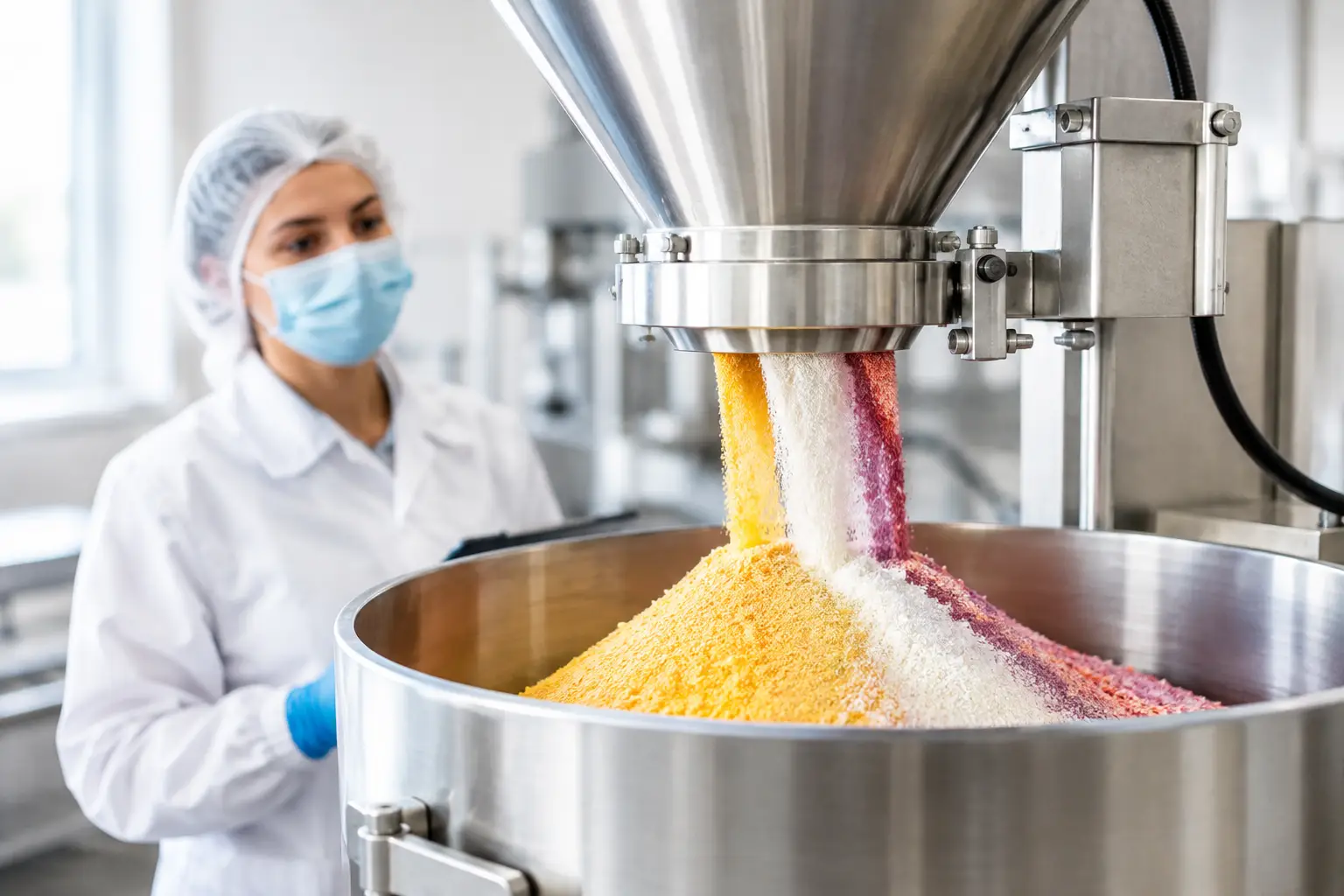
The first high-value area is ingredient introduction. If minor components are added unevenly or liquids are sprayed inconsistently, the mixer has to correct a poor starting condition. That can extend cycle times and still leave hot spots in the batch. Better feeding accuracy and better placement of additions often improve results before any mechanical change is made.
The second area is mixing time. Longer is not always better. Once a blend reaches the required homogeneity, additional mixing may waste energy, reduce throughput, and in some formulations increase segregation or particle degradation. Plants that rely on conservative time estimates often carry hidden inefficiency in every batch.
The third area is discharge. A good batch can be compromised if material segregates while leaving the mixer or if residual product remains in dead zones. Discharge rate, valve design, downstream transfer method, and equipment orientation all matter. Optimization should look at the complete batch path, not just the active mixing cycle.
How to approach batch mixing process optimization
Start with measurable performance criteria
Optimization works best when the target is clear. That may be a coefficient of variation threshold, a defined cycle time, a maximum allowable temperature rise, or a cleanout time benchmark. Without objective criteria, teams often make changes based on impressions rather than data.
Sampling plans should also be realistic. A single pass-fail sample does not show how well the process is performing. Multiple samples taken at consistent points provide a better picture of blend quality and repeatability.
Match the mixer to the application
If repeated adjustments fail to stabilize the process, the issue may be equipment fit rather than operator method. This is a common turning point in batch mixing process optimization. A mixer designed for general blending may struggle with sticky materials, low-dose additives, vacuum processing, or frequent sanitary changeovers.
Application-specific engineering can have a major impact here. The right ribbon profile, internal clearances, horsepower, surface finish, and discharge design can reduce blend variation, shorten cycles, and lower maintenance burden at the same time. That is often a better long-term investment than trying to force an unsuitable machine to perform outside its ideal range.
Refine controls and operating sequence
A well-designed mixer still needs a disciplined process sequence. Load order, dry blend time, liquid addition timing, agitator speed, and discharge timing all influence the result. In many plants, these parameters evolve informally over time and vary by shift. That creates unnecessary inconsistency.
Standardized recipes and control logic help stabilize production. If the process allows, variable frequency drives can provide more flexibility for startup, active blending, and discharge. The benefit is not just process control. It can also reduce mechanical stress and energy use.
Reduce downtime through maintainability
Optimization is not limited to what happens during the batch. Maintenance access, seal life, cleaning efficiency, and parts durability all affect actual plant output. A mixer that delivers strong blend quality but creates frequent shutdowns is not optimized in business terms.
This is where durable construction and practical design features become valuable. Easy access for inspection, predictable wear components, and cleaner discharge all support uptime. For plants running multiple products, sanitation-friendly design can also improve schedule flexibility and labor efficiency.
Why testing and scale-up deserve more attention
Pilot testing is one of the fastest ways to reduce risk before purchase or process changes. It helps confirm blend time, working capacity, liquid addition behavior, and discharge performance using actual material. That matters because scale-up is not always linear. A formula that behaves well in a small test mixer may respond differently in production if density, residence pattern, or fill ratio changes.
Process teams that invest in testing usually make better equipment decisions and avoid expensive assumptions. They also gain more confidence when validating a process for regulated production.
The business case behind better mixing
When plants improve their mixing process, the gains extend beyond the mixer itself. Better uniformity reduces quality deviations. Shorter and better-controlled cycles increase available capacity. Lower energy demand supports more sustainable operation. Cleaner discharge reduces product loss. Better reliability lowers maintenance costs and scheduling disruption.
For procurement and operations leaders, that combination matters. The right mixing solution is not just a capital asset. It is a way to protect margins and support growth without adding avoidable complexity.
Manufacturers evaluating new equipment should look past basic capacity and motor size. The stronger question is whether the mixer is engineered for the actual product, production target, and cleaning requirement. That is where a solution-oriented partner adds value. PerMix Ribbon Mixers focuses on that alignment, helping processors select ribbon mixing systems that support superior mixing performance and long-term operating efficiency.
The most effective optimization work is rarely dramatic. It comes from making the process fit the product, then making the equipment fit the process. When those two pieces are aligned, better batches become routine rather than hard-won.