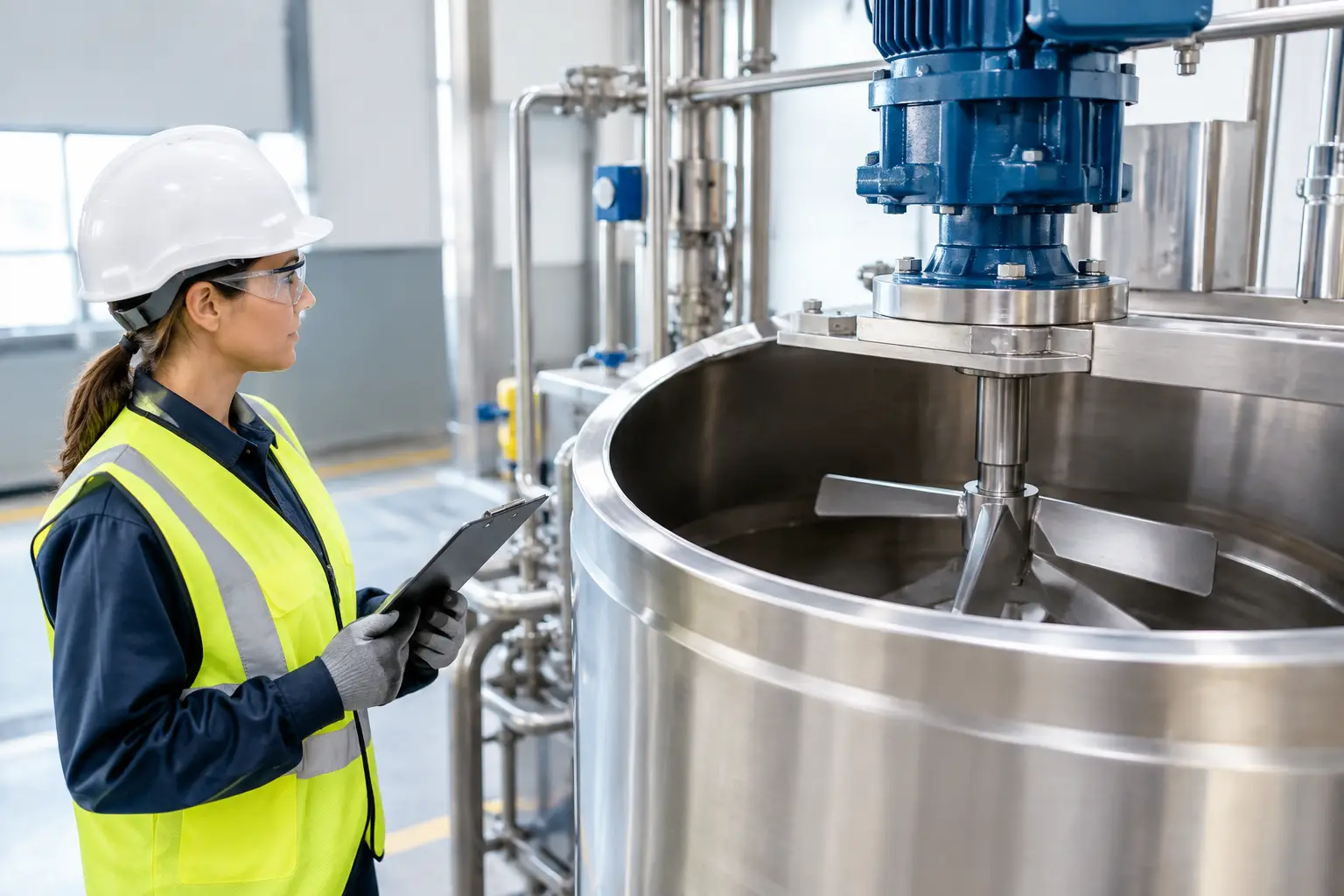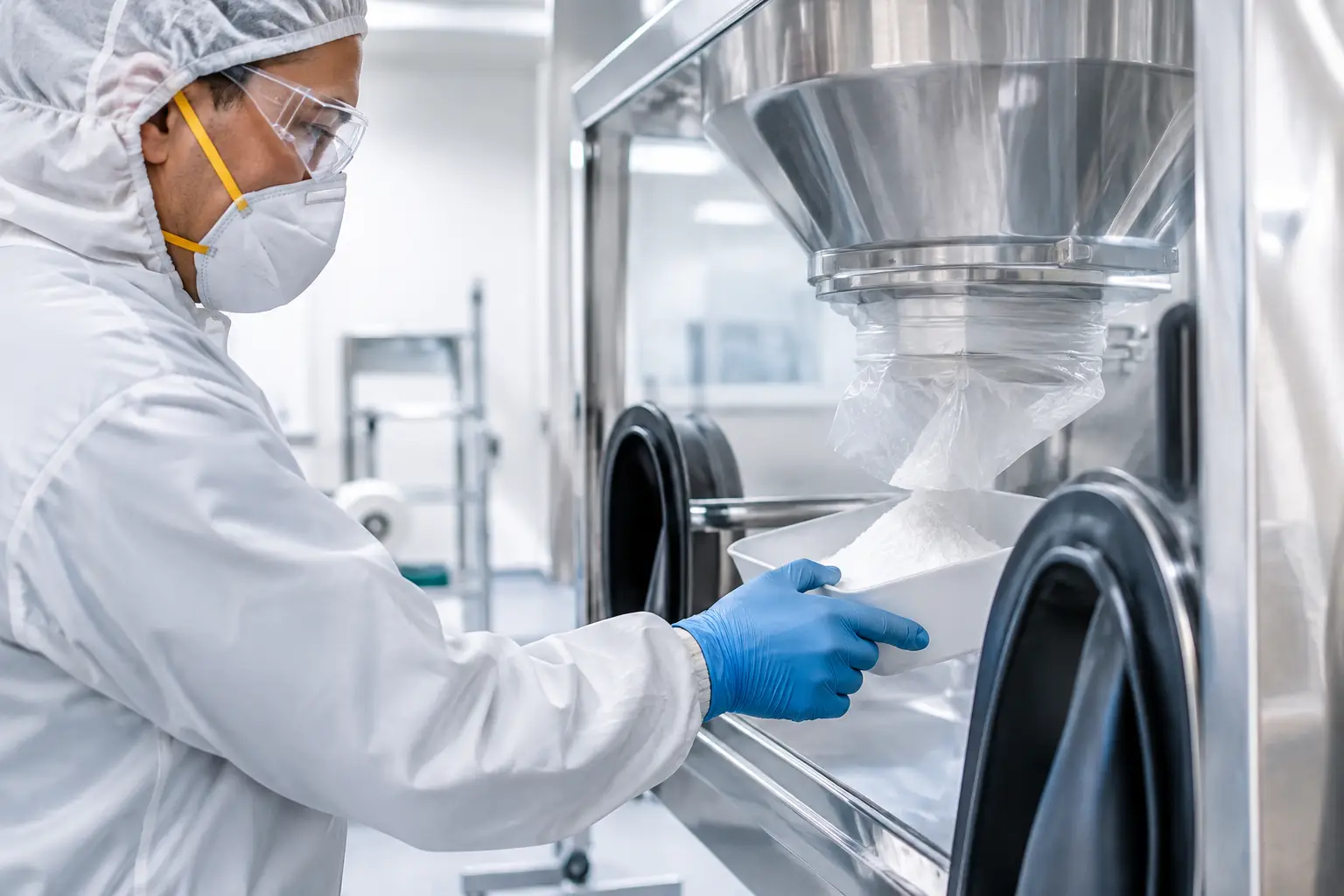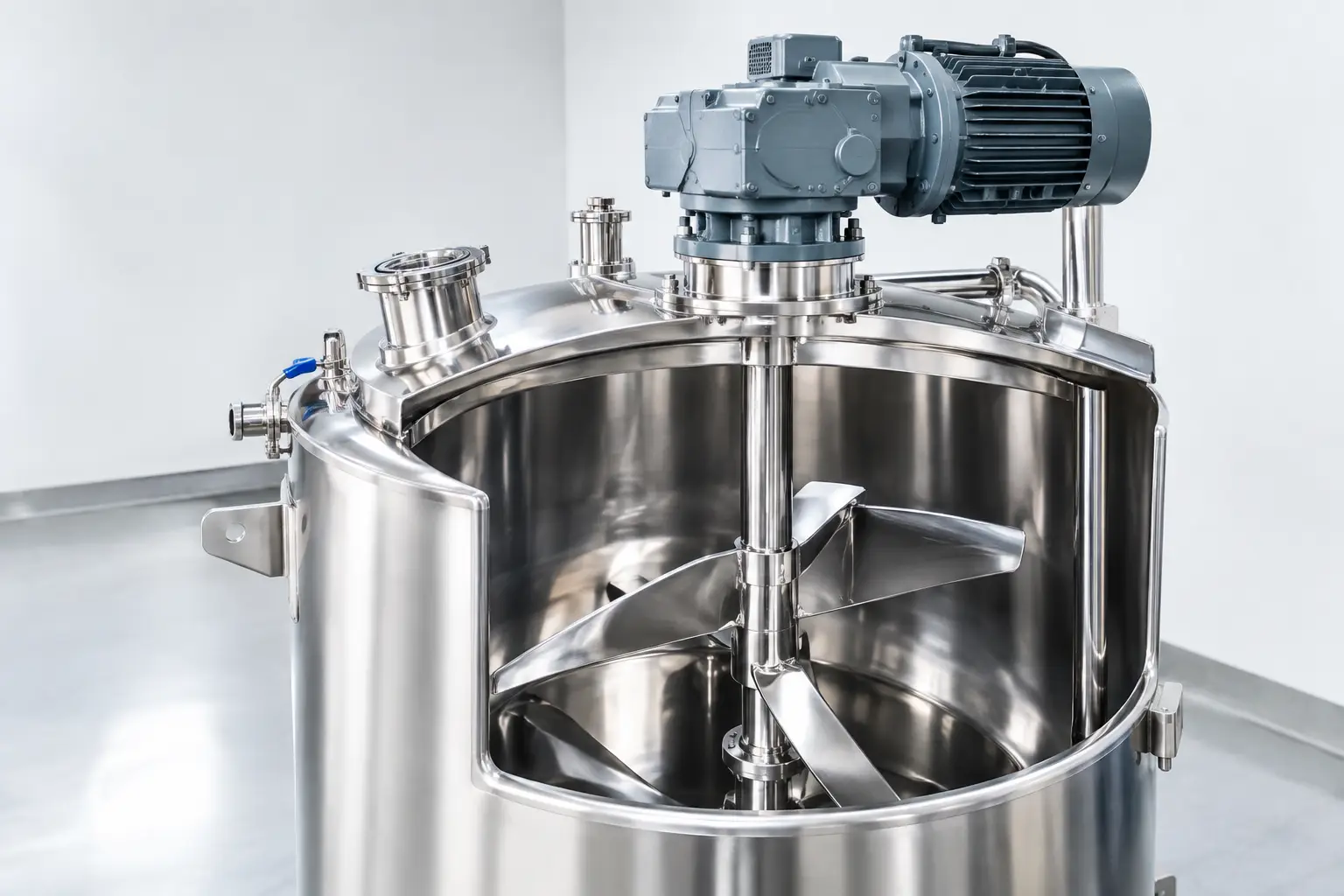
Top Mixing Systems for Pharmaceuticals
A pharmaceutical blend that looks uniform can still fail content uniformity, flow poorly in compression, or separate during transfer. That is why evaluating the top mixing systems for pharmaceuticals is less about chasing a popular machine type and more about matching mixer mechanics to formulation behavior, batch size, cleaning demands, and validation requirements.
For plant managers, process engineers, and procurement teams, the right mixer affects more than blend quality. It influences cycle time, operator intervention, energy use, dust control, sanitation, and the consistency regulators expect. In pharmaceutical manufacturing, mixer selection is a process decision with direct impact on product quality and operating cost.
What separates the top mixing systems for pharmaceuticals
The best pharmaceutical mixing systems do three things well. They create repeatable homogeneity, protect sensitive ingredients, and fit the realities of production. That sounds straightforward, but powders and granules rarely behave in simple ways. Differences in particle size, bulk density, moisture, electrostatic charge, and API concentration all change how a material responds inside the mixer.
A system that performs well for free-flowing excipients may struggle with cohesive powders. A design that works for dry blending may be the wrong choice for wet granulation or vacuum drying. Some formulations need gentle convective mixing to avoid particle damage. Others need higher shear to break agglomerates and distribute low-dose actives.
That is why there is no single best pharmaceutical mixer. There are several leading mixer categories, each with strengths, limitations, and ideal use cases.
Ribbon mixers: efficient, versatile, and practical for many blends
Ribbon mixers remain one of the most practical options for pharmaceutical powder and granule processing when the application is a good fit. In a horizontal ribbon mixer, inner and outer helical ribbons move material in opposing directions to create convective mixing across the vessel. This design supports fast blending, good batch turnover, and strong versatility across a wide range of dry solids and paste-like products.
For manufacturers handling excipient blends, intermediate powders, granulated materials, or formulations that need reliable bulk movement, ribbon mixers offer a strong balance of performance and cost control. They are especially useful where operations need predictable mixing with manageable energy consumption and straightforward integration into upstream and downstream equipment.
The trade-off is that ribbon mixers are not the answer for every pharmaceutical process. Very fragile particles can degrade if mixing intensity is too high or cycle times are extended. Ultra-low-dose formulations that demand exceptional micro-ingredient distribution may require more specialized validation work or a different mixer type altogether. Cleaning strategy also matters. A pharmaceutical ribbon mixer should be engineered with sanitary finishes, accessible internals, and discharge geometry that minimizes residue.
Vertical ribbon mixers can also be a strong option when floor space, batch geometry, or material flow characteristics favor a vertical design. Vacuum ribbon mixers and dryers add another layer of value where blending and drying need to happen in the same controlled system, helping reduce handling steps and supporting sensitive materials.
High shear mixers: built for demanding powder conditioning
High shear mixers are widely used in pharmaceutical production when the goal goes beyond blending and into particle modification. These systems use an impeller, and often a chopper, to generate intense mechanical action. That makes them well suited for wet granulation, dispersion of binders, and breaking down agglomerates in cohesive formulations.
Their strength is process intensity. If a formulation needs rapid wet massing, controlled granule growth, or tight integration with granulation workflows, high shear mixers are often the preferred choice. They are common in tablet manufacturing environments where granule properties directly affect downstream drying, milling, and compression.
The trade-off is complexity and cost. High shear systems generally require more process control, more utilities, and more attention to cleaning validation than simpler dry blending equipment. They can also be excessive for formulations that only need gentle homogeneous mixing. If the process objective is dry powder blending with minimal particle stress, a high shear system may solve the wrong problem.
V-blenders and tumble blenders: gentle mixing for free-flowing materials
V-blenders and related tumble blending systems are established choices for pharmaceutical dry powders, especially where gentle handling is essential. Rather than forcing material with an internal agitator, these machines rotate the vessel and rely on repeated division and recombination of the powder bed.
This low-impact action makes them attractive for friable materials and blends where particle integrity matters. They are often used for final blending stages, lubricants, and other applications involving relatively free-flowing ingredients.
Their limitations are equally important. Tumble blenders can require longer cycle times, and they are not always ideal for cohesive materials or formulas with significant differences in particle size and density. In those cases, the blend may not reach target uniformity as efficiently, and segregation risk can remain a concern during discharge and transfer. For high-throughput operations, the lower intensity of a tumble blender can become a bottleneck.
Bin blenders: strong containment and production flexibility
Bin blenders are attractive in pharmaceutical facilities because they support contained material handling and can reduce transfer steps. The product stays within a portable bin that is moved to the blending station, rotated for mixing, and then transferred to the next process stage.
From an operational standpoint, this can improve cleanliness, simplify batch traceability, and reduce the need for dedicated fixed vessels. In multi-product facilities, bin blending can support flexible manufacturing and streamline equipment changeover.
Still, bin blenders are not universal solutions. Their performance depends heavily on material flowability and bin fill level, and like other tumble-based systems, they may be less effective for difficult cohesive blends. They also require disciplined handling procedures to maintain alignment, containment, and batch integrity across movement points.
Planetary and vacuum mixing systems for specialized pharmaceutical applications
Some pharmaceutical processes involve more than powders. Semi-solids, high-viscosity pastes, and moisture-sensitive materials often require a different approach. Planetary mixers are commonly used when the product resists flow and needs strong mechanical working. They are suitable for ointments, creams, gels, and other viscous formulations where simple powder blending equipment would not perform effectively.
Vacuum mixing systems are especially valuable when air removal, solvent control, or integrated thermal processing is required. In pharmaceutical environments, vacuum capability can improve product quality by reducing entrapped air, supporting drying, and helping protect sensitive materials. When blending and drying can be combined in one engineered system, plants may reduce handling, shorten process steps, and improve containment.
This is where application-specific engineering matters. A vacuum ribbon mixer or dryer, for example, can deliver efficient mixing with added process functionality for manufacturers that need both homogeneous blending and controlled drying in one unit.
How to choose among the top mixing systems for pharmaceuticals
The right choice starts with the material, not the machine brochure. Powder characteristics should guide the shortlist. Free-flowing excipients, cohesive actives, abrasive solids, fragile granules, and moisture-sensitive ingredients all place different demands on the mixer.
Process objective comes next. If the requirement is simple dry blending, a ribbon mixer, V-blender, or bin blender may be appropriate depending on the formulation. If the application requires granulation, agglomerate breakup, or intensive dispersion, high shear mixing becomes more relevant. If the product must be dried under controlled conditions, vacuum-capable equipment deserves serious consideration.
Cleaning and validation should be treated as primary selection criteria, not late-stage details. In pharmaceutical production, inaccessible surfaces, dead zones, and inconsistent discharge are not small design flaws. They create risk. Equipment should be reviewed for sanitary construction, finish quality, ease of inspection, and cleanout performance between batches.
Production economics matter too. A lower-cost mixer that extends cycle times, increases manual intervention, or creates cleaning delays may cost more over time than a better-matched system. Reliability, maintenance burden, spare parts strategy, and supplier technical support all affect total value.
For many manufacturers, the most effective path is to work with a supplier that can evaluate the formulation and recommend a tailored solution rather than pushing a one-size-fits-all machine. That is particularly important in regulated sectors where process consistency and documentation are part of the purchasing decision.
Why ribbon-based systems remain a strong contender
Among the top pharmaceutical mixing options, ribbon-based systems continue to earn attention because they address a wide span of real production needs. They offer efficient bulk movement, strong versatility, and configurable designs that can be adapted for sanitary requirements, vacuum operation, heating, cooling, and discharge needs.
For facilities balancing performance, uptime, and operating cost, that flexibility matters. A well-engineered ribbon mixer can deliver consistent blending while supporting lower energy use and reduced downtime. For manufacturers looking at integrated process efficiency rather than just mixer type, that can make the difference between acceptable performance and superior mixing performance.
PerMix focuses on this practical engineering approach by offering horizontal, vertical, and vacuum ribbon solutions designed around application requirements rather than generic equipment categories. That kind of specialization is often what pharmaceutical buyers need when standard machine comparisons do not tell the full story.
The best pharmaceutical mixing system is the one that fits the product, the process, and the production environment without forcing compromises that show up later in quality results or plant efficiency. If your team is reviewing options, start with the blend behavior, ask hard questions about cleaning and scale-up, and choose a system that will still make sense after the first successful batch.